
Accurate Problem Diagnosis Preventing Unnecessary Repairs
Thompson Trenchless provides professional diagnostic sewer inspections throughout Wyandotte, Monroe, and Downriver Michigan—essential troubleshooting using advanced video camera inspection technology identifying exact causes of recurring drain problems, unexplained backups, slow drainage, or mysterious drain plumbing symptoms. When drains repeatedly clog despite cleaning efforts, toilets backup without obvious reasons, or multiple fixtures experience problems simultaneously, hidden underground issues create symptoms requiring accurate diagnosis not guesswork. Without visual inspection, drain plumbers guess at problems based on symptoms alone—attempting solutions hoping to solve issues rather than knowing what actually needs fixing.
Diagnostic camera inspection eliminates guesswork providing definitive visual evidence showing exactly what problems exist and their precise locations. Our high-definition waterproof cameras navigate through entire sewer system from house to street documenting everything—tree root intrusion blocking pipes, bellied sections collecting debris, cracked lines allowing infiltration, grease buildup restricting flow, improper installations causing drainage problems. This accurate diagnosis enables targeted effective repairs solving actual problems not just treating symptoms. Prevents wasting money on unnecessary repairs that don’t address root causes—saves hundreds or thousands versus trial-and-error approaches repeatedly attempting fixes until accidentally hitting on right solution.
With 30+ years experience diagnosing sewer problems throughout Wayne County and Monroe County, we provide expert diagnostic services understanding common causes of typical symptoms, identifying hidden problems creating recurring issues, explaining findings in clear non-technical terms, recommending appropriate solutions with realistic cost estimates. Smart property owners recognize diagnostic inspection as cost-effective investment preventing expensive trial-and-error waste—small $200-$350 inspection fee routinely saves $1,000-$5,000+ in unnecessary repairs, repeated service calls, and ongoing frustration from unresolved problems. Get definitive answers about what’s actually wrong enabling informed decisions about effective lasting repairs.

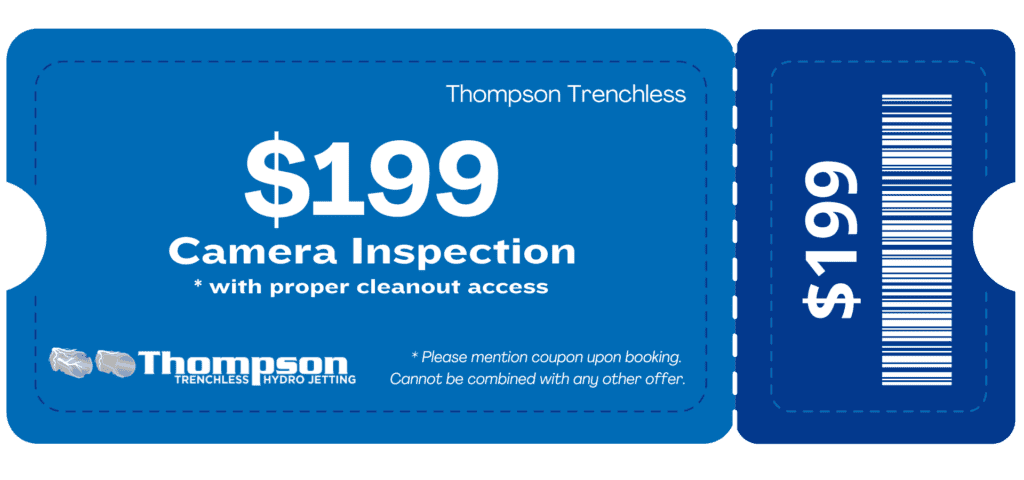
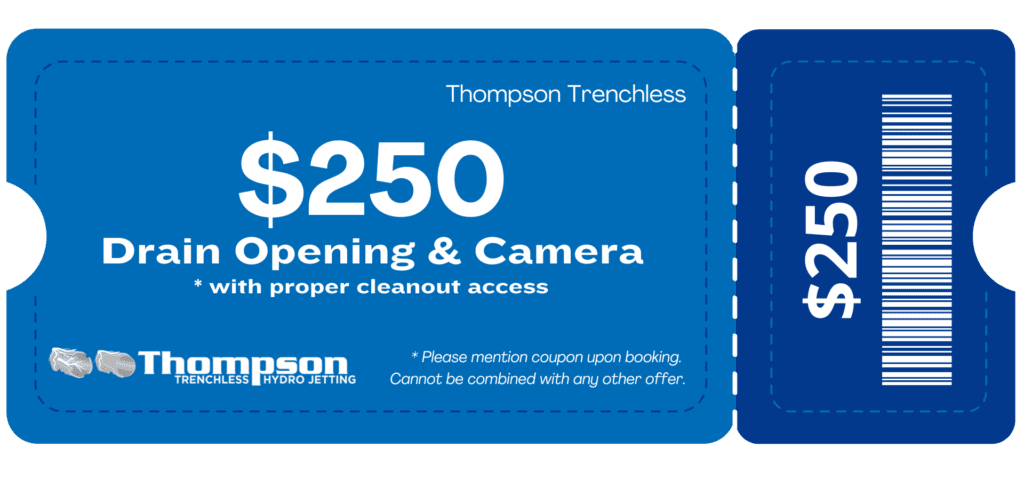

Diagnostic sewer inspection employs professional video camera technology examining complete underground sewer system revealing exact problems causing symptoms. Unlike traditional drain plumbing diagnosis relying solely on symptom description and educated guessing, camera inspection provides direct visual evidence showing actual conditions. Process involves inserting waterproof camera through your sewer line via existing cleanout or access point, advancing camera from house toward street connection documenting entire system typically 100-200+ feet, recording high-definition video showing all observable conditions and problems, documenting exact problem locations with digital distance tracking measuring from entry point.
Camera reveals problems invisible any other way—cannot see underground pipes, cannot inspect inside lines, cannot visually confirm what’s blocking or damaging system. Visual inspection eliminates assumptions showing exactly what exists not what might exist. See tree roots actively growing through cracks infiltrating pipes, witness bellied sections with standing water collecting debris, observe deteriorated pipe materials crumbling or separating, identify grease accumulations coating walls restricting flow, document improper installations with wrong slopes or connections. This definitive visual evidence transforms diagnosis from educated guessing to certain knowledge enabling appropriate targeted repairs.
Before camera inspection technology, drain plumbers diagnosed sewer problems through symptom analysis and trial-and-error approaches. Customer describes symptoms—recurring clogs, slow drainage, backups. drain Plumber interprets symptoms making educated guess about likely causes. Attempts repair addressing suspected problem hoping guess proves correct. If symptoms persist, makes different guess attempting different solution. This process continues until accidentally hitting on actual problem or giving up recommending expensive complete replacement. Wasteful expensive frustrating approach often costing thousands in unnecessary repeated repairs.
Camera inspection eliminates this wasteful guessing providing certain diagnosis before attempting any repairs. See exact problems requiring specific solutions—roots need cutting and prevention, bellied pipes need structural correction, cracks need sealing or lining, grease needs thorough cleaning. Match solutions to actual documented problems not assumed probable causes. This targeted approach saves significant money by addressing real issues first time rather than repeatedly trying incorrect solutions. Also prevents unnecessary repairs—if camera shows minor easily-remedied problems, avoid expensive replacement contractor might recommend based solely on symptom severity without visual confirmation of actual conditions.
Accurate diagnosis matters critically because different problems require completely different solutions—applying wrong solution wastes money solving nothing while actual problem persists. Example Scenario: Recurring drain clogs every 2-3 months despite professional drain cleaning. Without diagnosis, drain plumber keeps cleaning—temporary relief but problem returns. Customer spends $200-$300 every few months indefinitely totaling thousands annually. Diagnostic inspection reveals bellied section where pipe sagged creating low spot collecting debris. Cleaning provides temporary relief but belly causes recurrence. Proper solution: structural repair correcting belly—$2,000-$4,000 one-time expense permanently solving problem versus endless repeated cleanings costing more long-term.
Cost Implications: Accurate diagnosis enables appropriate solution selection preventing expensive overkill or inadequate underkill. Some contractors recommend complete sewer replacement costing $8,000-$25,000 for problems actually solvable with $2,000-$6,000 spot repairs or pipe lining. Other contractors attempt cheap quick fixes for problems actually requiring structural repairs—waste money on inadequate solutions failing to resolve issues. Camera diagnosis shows actual problem severity enabling right-sized solutions—neither overkill nor underkill but appropriate repairs matching documented conditions.
Long-Term Planning: Diagnostic inspection reveals overall system condition informing long-term maintenance and repair planning. Identify developing problems addressable now preventing expensive emergency failures later. Document condition baselines for future comparison tracking deterioration rates. Make informed decisions about repair timing and budgeting based on actual conditions not assumptions or fear. Knowledge empowers smart decisions protecting property investment and preventing expensive surprises.
Most Common Diagnostic Request: Drains clog repeatedly despite professional cleaning—clear today, clogged again next month. Frustrating expensive pattern indicating underlying problems not just accumulated debris. Diagnostic inspection reveals root causes: tree roots regrowing after mechanical cutting requiring permanent removal plus prevention, bellied sections collecting debris requiring structural correction, partial pipe collapse creating permanent restriction, grease buildup from inadequate cleaning requiring thorough hydro jetting, improper pipe slope enabling accumulation. Seeing actual cause enables appropriate permanent solution not just repeated temporary relief.
Progressive Problems: Drains gradually slowing over months or years—water standing longer in sinks, showers taking minutes to drain, toilets sluggish. Often dismissed as normal aging but usually indicates developing blockages or structural problems. Camera inspection identifies causes: partial root intrusion beginning restriction, scale or mineral buildup coating pipes reducing diameter, deteriorating cast iron with internal corrosion narrowing passages, improper vent system creating drainage restrictions, bellied sections partially filled with settled debris. Early diagnosis enables proactive correction before complete blockage creates emergency backup situation.
Mystery Problems: Sewage backs up into fixtures without obvious cause—no heavy use, no visible clogs, just sudden backups. Most concerning and frustrating situation requiring definitive diagnosis. Inspection reveals hidden causes: main line blockage from roots or collapse affecting all fixtures, improper connections allowing infiltration overwhelming capacity, inadequate pipe sizing for fixture load, vent system problems creating vacuum preventing proper drainage, municipal line problems backing into property connection. Diagnostic inspection distinguishes property-owner responsibility from municipal issues determining appropriate response and responsible party.
Sewer Gas Smells: Persistent foul odors from drains indicating sewer gas escaping—health concern beyond unpleasant smell. Common causes requiring inspection: cracked pipes allowing gas escape into soil infiltrating foundation, improper vent system failing to properly ventilate sewer gases, dried trap seals in unused fixtures, damaged wax rings at toilet connections. Camera inspection identifies pipe integrity issues while complementary testing addresses vent and trap concerns. Important diagnosis preventing dangerous gas exposure and identifying potentially serious structural problems.
Whole-House Issues: Multiple fixtures experiencing problems simultaneously—toilet and shower both backing up, multiple sinks draining slowly, several drains clogging together. Multiple simultaneous problems usually indicate main line issue affecting entire house rather than individual fixture problems. Diagnostic inspection reveals main line causes: complete or severe blockage in main sewer line, collapsed section preventing flow, major root intrusion throughout main line, bellied main line section, undersized main line inadequate for property. Main line diagnosis critical for effective repair preventing piecemeal fixture-by-fixture approaches missing actual centralized problem.
Stop guessing and get definitive answers about your sewer problems with professional diagnostic inspection.
#1 Cause of Recurring Problems: Tree roots seeking moisture infiltrate sewer lines through tiny cracks or joint separations. Roots grow inside pipes creating progressive blockages that worsen over time. Mechanical root cutting provides temporary 6-18 month relief but roots regrow from entry points—creates endless expensive cycle. Camera inspection shows root extent, entry point locations, and pipe damage severity. Proper solution requires root removal plus addressing entry points through pipe lining sealing all cracks preventing regrowth. Diagnosis distinguishes minor controllable root problems from severe damage requiring section replacement.
Structural Drainage Problems: Ground settlement or improper installation creates bellied sections where pipe sags forming low spots. Water and debris collect in low spots creating recurring blockages—standard cleaning clears material temporarily but belly refills creating recurrence within weeks or months. Camera clearly shows bellied sections with standing water. Diagnosis documents exact locations and severity enabling targeted structural correction. Minor bellies sometimes manageable with frequent maintenance—severe bellies require excavation and proper re-grading or trenchless pipe lining creating smooth interior bypassing structural defect. Diagnosis prevents endless cleaning expense by identifying need for structural solution.
Structural Damage: Cracks from ground movement, tree pressure, age deterioration, or installation damage allow soil infiltration, root entry, and eventual collapse. Minor cracks cause slow progressive problems—roots enter through cracks, soil infiltrates gradually restricting flow. Severe cracks or breaks cause immediate serious drainage failures. Camera inspection assesses crack severity and extent determining appropriate repair approach. Minor cracks addressable with pipe lining sealing damage—major breaks require section replacement. Accurate diagnosis enables right-sized repair preventing both overkill replacement for minor damage and inadequate patching for severe structural failure.
Accumulated Restrictions: Grease, soap scum, mineral scale, and organic buildup accumulate coating pipe interiors progressively restricting flow. Standard drain cleaning often clears center channel leaving significant material on walls—creates recurring problems as remaining buildup continues restricting and quickly re-accumulates. Camera inspection reveals buildup extent and type determining appropriate cleaning approach. Heavy grease requires professional hydro jetting removing all material versus basic snaking just clearing holes. Mineral scale may require chemical treatment or mechanical removal. Accurate diagnosis prevents wasting money on inadequate cleaning methods that provide only temporary relief.
Design and Construction Defects: Installation problems create chronic drainage issues no amount of cleaning or maintenance fixes. Common installation defects: improper slope preventing proper drainage flow (pipes should slope minimum 1/4 inch per foot), undersized pipes inadequate for fixture load, wrong pipe materials for application, illegal connections from downspouts into sanitary sewer, improper joints allowing separations. These problems require structural correction not repeated service calls. Camera inspection reveals installation defects explaining recurring problems despite service efforts. Diagnosis enables appropriate structural solutions permanently resolving issues created by original poor installation.
Diagnostic process begins with thorough discussion of symptoms and problem history. We ask detailed questions understanding your situation: what symptoms you experience (clogs, backups, slow drains, odors), how long problems existed and frequency of occurrence, what attempts at resolution already tried and their results, which fixtures affected and any patterns observed, whether problems seasonal or constant, whether recent property changes potentially relevant (landscaping, construction, major weather). This symptom review provides context helping interpret camera findings and identify likely problem areas deserving close examination during inspection.
Historical pattern analysis often reveals important clues. Recurring problems despite repeated cleaning indicate underlying structural or root issues. Progressive worsening suggests developing blockages or deterioration. Seasonal patterns may indicate temperature-related grease solidification or root growth cycles. Multiple fixture involvement points toward main line problems. This background information combined with visual inspection findings enables comprehensive accurate diagnosis addressing not just immediate symptoms but underlying root causes.
After symptom review, we perform complete camera inspection documenting entire sewer system. Insert high-definition waterproof camera through cleanout or access point advancing through entire line from house to street connection. Record continuous video showing all observable conditions—pipe materials and overall condition, blockages or restrictions and their nature, structural problems like cracks or separations, root intrusion locations and severity, improper slopes or bellied sections, buildup or debris accumulation. Digital distance tracking documents exact locations of all observed problems measured precisely from entry point.
Thorough systematic inspection ensures nothing missed—advance slowly examining all surfaces, pay special attention to areas symptom history suggests likely problems, document both obvious major issues and subtle developing concerns, record observations continuously providing complete system documentation. Inspection typically takes 30-60 minutes for standard residential systems depending on length and complexity. You’re welcome to watch live video feed alongside technician—many property owners appreciate seeing actual conditions firsthand enabling immediate questions and understanding.
After completing inspection, we analyze findings in context of reported symptoms determining root causes. Match observed problems to experienced symptoms explaining how discovered issues create reported problems. For instance, tree roots at 47 feet explain recurring kitchen drain clogs—roots block flow from kitchen fixtures connected upstream of root location. Bellied section at 82 feet explains whole-house slow drainage—all fixtures drain through belly which restricts flow. This symptom-to-cause connection validates diagnosis showing logical explanation for problems not just random observations.
Problem prioritization helps guide repair decisions. Some problems require immediate attention—complete blockages, severe collapses, major root intrusions. Others warrant monitoring—minor cracks, early-stage roots, slight bellies. Still others are informational—overall condition assessment, material identification, general wear patterns. We explain which discovered problems cause current symptoms requiring immediate action versus which represent long-term concerns requiring eventual attention. This prioritization enables informed decision-making focusing resources on solving immediate problems while planning appropriately for future needs.
Final step provides clear solution recommendations with realistic cost estimates. Based on diagnosed problems, we recommend appropriate repairs matching issues to solutions. Tree root problems: cutting plus pipe lining preventing regrowth ($800-$2,500). Bellied sections: structural repair or lining ($2,000-$6,000). Cracked lines: spot repairs or section lining ($1,500-$5,000). Heavy buildup: professional hydro jetting ($300-$600). Complete deterioration: section or full replacement ($5,000-$25,000). Cost estimates provide planning information though formal quotes require separate evaluation.
We explain repair options discussing pros and cons of different approaches. Sometimes multiple solutions exist—discuss tradeoffs between cost, longevity, invasiveness. Help prioritize repairs if multiple problems discovered—which require immediate attention versus which can wait. Answer questions about findings and recommendations ensuring complete understanding. You receive comprehensive documentation including complete video footage, written diagnostic report, problem identification with locations, repair recommendations and estimates. This information enables informed decisions about appropriate repairs based on actual documented conditions not guesswork or assumptions.
Aspect | Diagnostic Inspection | Trial-and-Error Approach |
Problem Identification | Visual evidence shows exact problems | Guessing based on symptoms only |
Solution Accuracy | Targeted repairs addressing known issues | Attempting fixes hoping to solve problem |
First-Time Success Rate | 90-95% solve problem first attempt | 30-50% require multiple attempts |
Total Cost | $200-$350 inspection + appropriate repair | Multiple service calls + wrong repairs + eventual diagnosis |
Time to Resolution | 1-2 weeks typical diagnosis to repair | Months of repeated attempts |
Customer Frustration | Minimal – clear answers and solutions | High – recurring problems and uncertainty |
💰 Real Cost Comparison Examples
Scenario 1 – Recurring Clogs: Trial-and-error approach: $250 cleaning every 2 months = $1,500 annually for 3 years = $4,500 total never solving problem. Diagnostic approach: $300 inspection reveals bellied pipe + $3,500 structural repair = $3,800 one-time expense permanently solving problem. Savings: $700 first 3 years, increasing savings each subsequent year.
Scenario 2 – Root Problems: Trial-and-error: $300 root cutting twice yearly = $600 annually indefinitely as roots regrow. Diagnostic approach: $275 inspection reveals entry points + $2,800 pipe lining sealing all cracks preventing regrowth = $3,075 one-time expense creating permanent solution. Breaks even after 5 years, then pure savings every year thereafter.
Scenario 3 – Avoiding Unnecessary Replacement: Contractor recommends $18,000 complete replacement based on symptom severity. Diagnostic inspection reveals isolated 15-foot problem section solvable with $3,500 section repair. Saves $14,500 through accurate diagnosis preventing overkill solution.
Scenario 4 – Preventing Inadequate Repairs: Cheap contractor attempts $500 quick fix for problem actually requiring $4,000 structural repair. Quick fix fails, customer pays again for proper repair = $4,500 total. Diagnostic approach identifies need for structural solution immediately = $4,000 spent once correctly. Saves $500 plus weeks of continued problems.
Beyond financial savings, diagnostic inspection provides significant time savings and convenience. Trial-and-error approach involves repeated service calls—initial service attempt, wait for problem recurrence, schedule another service, wait again, schedule third attempt. This cycle continues months consuming your time coordinating appointments, taking time off work for service visits, dealing with ongoing drainage problems and inconvenience. Frustration and stress multiply with each failed attempt as problem persists despite money spent.
Diagnostic approach achieves resolution quickly—single inspection appointment providing definitive diagnosis, schedule appropriate repair based on known problem, repair correctly addresses documented issue solving problem. Typical timeline: inspection this week, repair scheduled next week or when convenient for you, problem resolved within 2-3 weeks total. Clean efficient process with high first-time success rate eliminating repeated attempts and ongoing problems. Time savings particularly valuable for busy professionals, business owners, or anyone valuing their time and peace of mind.
Diagnostic inspection prevents unnecessary work by showing exactly what repairs actually needed versus what contractors might recommend without visual confirmation. Some contractors recommend expensive complete replacements for problems actually solvable with targeted repairs—maximizes their revenue but wastes your money. Other contractors attempt cheap inadequate fixes for problems requiring proper structural repairs—saves them effort but leaves you with unresolved issues. Camera diagnosis provides objective evidence showing actual conditions enabling appropriate right-sized solutions.
Documentation protects you during repair bidding process. Get multiple competitive quotes based on documented problems shown in video footage—contractors bid on specific known issues not vague symptom descriptions allowing varied interpretations. Compare contractor recommendations against documented conditions ensuring proposals match actual needs. Identify contractors recommending unnecessary work or attempting inadequate solutions. This informed position creates fair competitive bidding process ensuring you receive appropriate quality repairs at reasonable prices based on objective evidence not sales pressure or fear.

Most compelling indication for diagnostic inspection: problems recur repeatedly despite professional service. If drains clog every few months despite cleaning, backups happen repeatedly, or slow drainage returns after snaking, underlying problems cause recurrence that cleaning alone cannot solve. Repeated service calls treating symptoms waste money providing temporary relief without addressing root causes. After second or third service call for same problem, diagnostic inspection becomes cost-effective investment identifying actual causes enabling permanent solutions. Stops expensive recurring service cycle replacing it with one-time proper repair solving problem permanently.

When drainage problems occur without obvious explanations—no heavy use, no visible clogs, no clear causes—diagnostic inspection reveals hidden underground issues. Unexplained backups particularly concerning requiring definitive diagnosis. Mysterious slow drainage frustrating when no apparent reason exists. Foul odors appearing randomly without clear source. These mystery symptoms indicate hidden structural problems, root intrusion, or installation defects invisible without camera inspection. Diagnostic investigation provides answers eliminating uncertainty and enabling appropriate targeted solutions addressing actual discovered causes.

When multiple fixtures or drains experience problems simultaneously, main sewer line issues likely affect entire house. Multiple toilets sluggish, several sinks draining slowly, various drains clogging together—these whole-house symptoms indicate centralized main line problems not isolated fixture issues. Diagnostic main line inspection identifies whether blockage, collapse, roots, or other main line problems affect overall system. Prevents wasting time and money addressing individual fixtures when actual problem exists in main line affecting all fixtures downstream. Main line diagnosis critical for efficient effective resolution of whole-house drainage problems.

Before committing thousands to major repairs, diagnostic inspection confirms necessity and appropriate scope. If contractor recommends expensive work based solely on symptoms without camera verification, independent diagnostic inspection validates recommendations. See documented evidence justifying proposed repairs. Verify problem severity matches contractor claims. Confirm repair scope appropriate for actual conditions—neither overkill nor underkill but right-sized solution. This verification protects against unnecessary repairs or inadequate solutions. Small diagnostic investment provides quality control and informed decision making for major repair investments preventing expensive mistakes.

When drainage problems develop in recently purchased property, diagnostic inspection determines whether issues result from pre-existing conditions not disclosed or new problems developing after purchase. This distinction matters for potential legal recourse against seller or inspector if major pre-existing problems not properly disclosed. Documentation establishes problem existence timing and severity. For inherited chronic problems, diagnosis enables appropriate permanent solution rather than continuing previous owner’s pattern of temporary fixes. Fresh start with new property deserves definitive problem-solving approach creating reliable drainage system for years ahead.
Receive complete high-definition video recording of entire sewer line inspection on USB drive you keep permanently. Footage provides comprehensive visual record showing all observed conditions throughout system. Includes continuous recording from entry point to street connection or obstruction point, digital distance overlays showing exact locations of observed features and problems, technician narration explaining what video shows and identifying issues, clear documentation of problem areas with close-up views. Video serves multiple purposes: review findings at your convenience, share with contractors for repair bids, provide to property management or insurance, maintain permanent property records, compare future conditions if additional inspections performed. Permanent documentation proving actual conditions supporting informed repair decisions.
Report explains how discovered problems create experienced symptoms—connects observations to complaints validating diagnosis through logical cause-and-effect relationships. For instance, reports explains how tree roots at specific location block drainage from specific fixtures connected upstream, how bellied section creates debris accumulation causing recurring clogs, how cracks allow infiltration overwhelming capacity during rain. This root cause analysis demonstrates diagnosis accuracy showing documented problems logically explain symptoms. Helps you understand why repairs recommended and how they will solve problems. Validates investment in recommended solutions by clearly showing how they address documented root causes not just symptoms.
Detailed written report identifies all discovered problems with exact locations measured from cleanout access point. Specific problem documentation includes nature and type of each issue (roots, cracks, bellies, blockages, deterioration), severity assessment for each problem (minor, moderate, severe, critical), exact distance from cleanout to problem location (enabling targeted repairs), extent of each problem area (length of affected section), impact on drainage function and symptoms. This precise documentation enables targeted repairs—knowing crack exists at 47 feet means repairing 5-10 foot section not replacing entire 100-foot line. Location precision reduces repair costs significantly through surgical targeting versus exploratory approaches.
Based on discovered problems, report provides specific repair recommendations with ballpark cost estimates. Recommendations match solutions to documented problems: root intrusion requires cutting plus prevention through pipe lining ($800-$2,500), bellied sections need structural correction ($2,000-$6,000), cracks warrant sealing or lining ($1,500-$5,000). Cost ranges reflect typical pricing for described work helping budget and plan repairs. Note these are informed estimates not binding quotes—formal pricing requires separate contractor evaluation. However, estimates provide realistic expectations enabling informed decisions about repair priorities and budget allocation. Helps prioritize multiple problems if budget constraints exist—address critical issues immediately while planning for less urgent concerns.
$200-$350
Complete camera inspection with video documentation and diagnostic report
What’s Included: Complete video inspection from cleanout to street or obstruction, high-definition video footage on USB drive, detailed written diagnostic report, problem identification with exact locations, root cause analysis connecting findings to symptoms, repair recommendations with cost estimates, technician consultation explaining findings and options. Professional comprehensive documentation enabling informed repair decisions with all information provided standard—no hidden fees for footage or reports.
Diagnostic inspection investment seems modest compared to money saved preventing unnecessary or incorrect repairs. Typical Waste Prevented: Trial-and-error approaches often involve $500-$2,000+ wasted on wrong repairs before finally addressing actual problem. One customer spent $1,800 over 18 months on repeated cleanings before diagnostic inspection revealed structural problem requiring $3,200 one-time repair—would have saved $1,800 plus 18 months frustration with immediate diagnosis. Another spent $5,000 on wrong repair based on contractor guess before second opinion diagnostic revealed different problem requiring $2,500 correct repair—$2,500 wasted plus delayed resolution.
Overkill Prevention: $200-$300 diagnostic inspection often saves $5,000-$15,000 preventing unnecessary complete replacements for problems actually solvable with targeted repairs. Contractors sometimes recommend $18,000-$25,000 replacements based solely on symptom severity without visual confirmation—diagnostic inspection reveals isolated problems requiring only $3,000-$6,000 section repairs. Massive savings justifying diagnostic investment many times over protecting against expensive overkill recommendations.
Long-Term Value: Diagnostic documentation provides permanent system condition baseline valuable for long-term planning and future comparison. If subsequent problems develop years later, compare new inspection against diagnostic baseline determining whether new problems or continued deterioration of known issues. This historical documentation supports warranty claims, insurance claims, property transactions, or future repair decisions. Permanent value extending well beyond immediate diagnostic purpose.
Thompson Trenchless credits diagnostic inspection cost toward repairs when you proceed with our recommended solutions. If diagnostic inspection costs $275 and recommended repair costs $2,800, you pay $2,525 net for repair—inspection effectively free when proceeding with us. This policy reflects our confidence in diagnostic quality and commitment to customer service. We want diagnosis affordable accessible encouraging proper problem identification not barriers to appropriate repairs. Many other contractors offer similar credit policies—ask about diagnostic credit when obtaining repair quotes ensuring you maximize value from diagnostic investment.
and all Wayne and Monroe County communities.
Diagnostic sewer inspection costs $200-$350 for typical residential property including complete video camera inspection from house to street, HD video footage on USB drive, detailed written diagnostic report identifying all problems with exact locations, root cause analysis, repair recommendations with cost estimates, professional consultation. Extended lines $300-$400. Commercial systems $400-$800. Thompson Trenchless credits diagnostic cost toward repairs when you proceed with our recommended solutions making diagnosis effectively free when choosing us for repairs.
Standard residential diagnostic inspection takes 30-60 minutes for camera inspection process including symptom review, complete system documentation, initial findings review. Extended lines or complex systems may require 60-90 minutes. Detailed written report with recommendations typically delivered same day or next business day. Total time from initial contact to receiving complete diagnostic documentation usually 1-3 days depending on scheduling availability and report preparation. Fast turnaround enabling prompt repair decision-making and scheduling.
Diagnostic inspection often reveals multiple problems—some causing current symptoms, others representing developing concerns. We prioritize findings helping you understand which problems require immediate attention versus which warrant monitoring or eventual repair. Provide repair recommendations and cost estimates for each issue enabling informed decisions about repair priorities based on severity, urgency, and budget. Many property owners address critical immediate problems first while planning for less urgent concerns later. Complete diagnosis provides information needed for smart prioritization protecting immediate functionality while planning appropriately for long-term system health.
Not legally required but highly recommended for recurring problems, unexplained symptoms, or before major repair investments. Diagnostic inspection ensures repairs address actual documented problems not guessed probable causes. Prevents wasting money on incorrect repairs that don’t solve problems. Verifies repair necessity and appropriate scope before committing thousands to contractor recommendations. Small diagnostic investment provides quality control ensuring repair money spent wisely on effective targeted solutions. Most smart property owners recognize diagnostic value protecting repair investments through accurate problem identification before committing to solutions.
Yes. Camera inspection reveals hidden problems invisible any other way—cannot see underground pipes, cannot visually confirm conditions without camera. Diagnostic inspection discovers hidden issues like tree root intrusion you cannot see above ground, bellied sections invisible from surface, cracked pipes underground, grease buildup inside lines, improper installations causing problems. These hidden problems often explain mysterious symptoms or recurring issues despite service attempts. Finding hidden problems enables addressing actual causes preventing continued money waste on treating symptoms while root causes persist undetected.
Traditional diagnosis relies on symptom description and educated guessing—experienced plumbers make informed guesses based on typical problems matching symptoms. However, this approach remains guesswork without visual confirmation creating trial-and-error risks. Camera inspection provides definitive diagnosis showing exactly what problems exist eliminating guessing. For underground sewer issues, camera inspection represents only reliable diagnostic method providing certain visual evidence. Smart property owners recognize camera diagnosis as best practice preventing expensive trial-and-error approaches wasting money on incorrect solutions based on guesses however educated.
Thompson Trenchless credits diagnostic inspection cost toward repairs when you proceed with our recommended solutions—diagnosis effectively free when choosing us for repairs. Many other quality contractors offer similar credit policies encouraging proper diagnosis before repairs. Always ask contractors about diagnostic credit when obtaining repair quotes—protects diagnostic investment by applying it toward repair costs. Diagnostic credit policy reflects contractor confidence in diagnostic quality and commitment to customer service. Contractors refusing diagnostic credit may prefer trial-and-error approaches generating repeated service calls versus definitive one-time solutions based on accurate diagnosis.
Three decades identifying sewer problems throughout Wyandotte and Monroe Michigan
Crystal-clear footage providing definitive visual evidence of all conditions
Inspection effectively free when proceeding with our recommended solutions
No pressure sales, no unnecessary repair recommendations, just honest diagnosis
Michigan licensed, fully insured, professional service standards
Expert analysis connecting symptoms to root causes with precise diagnosis
Detailed documentation with recommendations and cost estimates
Fast turnaround enabling prompt repair decision-making and scheduling
Discuss repair alternatives with pros/cons helping you choose best approach
Consistently excellent diagnostic service solving problems right first time
Read what customers say: Customer Reviews
Stop guessing and get accurate diagnosis solving problems right the first time