
Quick Answer: If you own an older Michigan home with cast iron pipes, be vigilant for signs like recurring clogs, slow drainage, unusual noises, or leaks. These symptoms may indicate corrosion or cracks caused by environmental factors such as acidic soil and freeze-thaw cycles common in Michigan’s climate. Prompt inspection and repair can prevent costly water damage. In this region, professional services like ours offer advanced trenchless pipe lining and hydro jetting that can restore your plumbing with minimal disruption.
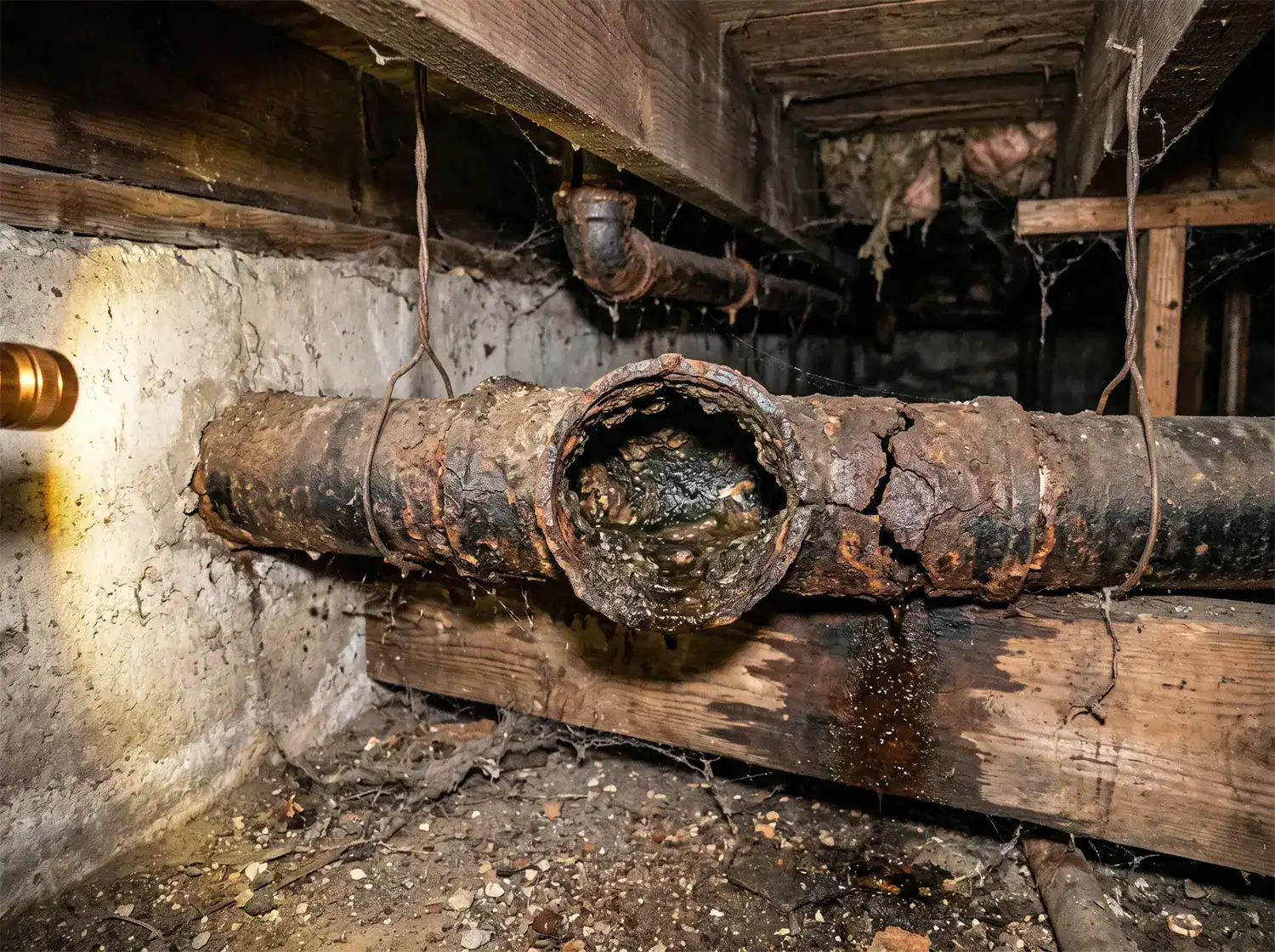
This article aims to delve deep into the common problems associated with cast iron pipes, including the symptoms of their deterioration and effective solutions. Homeowners will learn how to identify these problems and understand the importance of maintenance and repairs to avoid costly issues down the line. We will highlight typical problems, their causes, and effective solutions, along with insights into proactive measures to maintain a sound plumbing system.
Typical Problems
Cast iron pipes face various issues primarily stemming from their age and exposure to environmental conditions. If you’re concerned about your home’s plumbing, our cast iron pipe repair services can help you identify and resolve deterioration early.
- Corrosion: Over time, cast iron pipes are susceptible to corrosion, which can lead to structural weakening and eventual failure.
- Recurring drainage problems: Homeowners often encounter repeated clogs and slow drainage, indicating deeper issues within the plumbing system.
- Indicators of advanced deterioration: Signs such as frequent backups, unusual noises, or visible leaks are indicators of significant deterioration that requires immediate attention.
These issues not only impact the performance of the plumbing system but can also lead to more serious complications, such as water damage within the home.
Causes

Understanding the underlying causes of cast iron pipe problems is essential for effective management and repair.
- Age-related deterioration: The most significant factor influencing the condition of cast iron pipes is their age. Many homes built several decades ago may have plumbing systems that are aging and more prone to issues.
- Environmental factors affecting corrosion: Factors such as soil composition, moisture levels, and temperature fluctuations can exacerbate the rate of corrosion. For example, acidic soil can actively corrode metal, while freeze-thaw cycles can induce cracks and further damage the pipes.
Recognizing these causes can guide homeowners in preventing further degradation and addressing existing problems effectively.
Effective Solutions
To combat the issues faced by cast iron pipes, several solutions are available, offering different approaches to repairs and maintenance.
- Pipe lining methods: Techniques such as trenchless pipe lining provide a durable solution without the need for excavation, reinforcing the existing pipes and extending their lifespan.
- Hydro jetting advantages: Hydro jetting is an effective method for clearing blockages and accumulation within the pipes. High-pressure water jets can remove stubborn debris and buildup.
- Regular inspections: Homeowners are encouraged to schedule routine inspections with plumbing professionals, which can help catch potential issues early and minimize costly repairs.
Addressing the aforementioned solutions proactively can not only restore functionality but also contribute to the longevity of cast iron plumbing systems in homes.
For homeowners seeking dependable plumbing solutions, we specialize in trenchless pipe repair and hydro jetting technologies, ensuring long-term care and maintenance for cast iron pipes.
How Does Age Affect Cast Iron Pipe Deterioration?
Age significantly impacts cast iron pipes by increasing their susceptibility to corrosion and structural failures.
As the years go by, the materials that compose these pipes deteriorate, leading to weakened structures and compromised performance. Homeowners should be vigilant about monitoring their plumbing system, particularly in homes with aging infrastructure, and familiarizing themselves with the typical symptoms that accompany deterioration.
Furthermore, the combination of prolonged exposure to moisture and other environmental stressors can accelerate the deterioration of cast iron pipes, warranting regular evaluation of their condition and immediate callback for any signs of wear.
Which Environmental Factors Contribute to Cast Iron Pipe Rust and Cracking?
Environmental conditions play a crucial role in the degradation of cast iron pipes.
- Acidic soil effects: Soil with a low pH can accelerate the corrosion process, leading to quicker wear and failure of cast iron materials.
- Impact of freeze-thaw cycles: In colder climates, freeze-thaw cycles can cause the pipes to expand and contract, leading to cracks and additional vulnerabilities.
Awareness of these environmental factors can empower homeowners to take preventative measures, such as installing protective coatings or considering alternative materials in potential replacement situations.
How Can Homeowners Identify Signs of Cast Iron Drain and Sewer Pipe Problems?
Identifying early signs of pipe issues can save homeowners from significant repairs down the road.
Common indicators include:
- Indicators of blockage: Frequent gurgling sounds or slow drains are major warning signs that should be addressed promptly.
- Signs of leaks: Water stains on walls or ceilings and unexplained dampness around plumbing fixtures suggest possible leaks in the cast iron piping.
By remaining observant, homeowners can effectively monitor their plumbing systems and address potential issues before they escalate.
What Are Common Symptoms of Cast Iron Pipe Blockages and Leaks?
Clogs and leaks in cast iron pipes are typically noticeable through specific symptoms that, when recognized, can prompt timely intervention.
- Recurring drainage issues: Regular backups and slow drainage times indicate there may be underlying problems within the plumbing system.
- Sewage odors: Foul smells emanating from drains can suggest seepage or breaks in the pipe, requiring professional assessment to remedy the situation.
By understanding these symptoms, homeowners can act quickly to mitigate damage and restore proper function to their plumbing systems.
When Should Professional Cast Iron Pipe Inspection Be Scheduled?
Scheduling regular inspections is crucial for maintaining the integrity of cast iron pipes. A professional sewer camera inspection is one of the most reliable ways to catch hidden deterioration before it becomes a serious problem.
Key considerations for inspection include:
- Age and condition indicators for inspection: Homes with plumbing systems older than 30 years should have their pipes evaluated every few years to catch potential issues early.
- Importance of proactive checks: Regular inspections can help detect hidden problems, allowing for timely repairs that can prevent more extensive damage.
Professional inspections ultimately provide peace of mind and ensure that the plumbing system is functioning as intended.
What Are the Effective Repair Solutions for Cast Iron Pipe Issues in Older Homes?
Older homes with cast iron pipe issues have several repair options that cater to their specific needs.
- Trenchless repair options: Trenchless technology provides a less invasive solution to repair or replace damaged sections of pipe without extensive excavation.
- Complete replacement considerations: In severe cases, a complete pipe replacement may be necessary if the structural integrity is beyond repair.
Homeowners should weigh these options carefully, and consider consulting with professionals to understand the most suitable solution for their unique situation.
For an expert assessment of your plumbing needs, we can provide valuable insights into the best course of action.
How Does Trenchless Pipe Lining Provide a Permanent Repair Without Excavation?
Trenchless pipe lining is an innovative method that allows for the rehabilitation of deteriorating pipes without the need for disruptive excavation. This process involves inserting a flexible lining made from resin into the existing pipe, which then hardens to form a new inner pipe, effectively sealing leaks and preventing further corrosion. According to the EPA’s pipe bursting fact sheet, trenchless methods address structural deficiencies in failing pipelines with far less surface disruption than traditional excavation. Our trenchless sewer repair services offer homeowners a faster, more cost-effective path to restoring their plumbing systems.
What Are the Advantages of Hydro Jetting for Clearing Cast Iron Drain Blockages?

Hydro jetting is a highly effective technique for clearing blockages in cast iron pipes using high-pressure water jets.
Key benefits of this method include:
- Effectiveness against blockages: Hydro jetting effectively removes grease, scale, and buildup that can lead to clogs, ensuring drains remain clear.
- Long-term results: This method not only resolves immediate issues but also helps prevent future blockages by thoroughly cleansing the entire pipe.
Homeowners should consider hydro jetting as a superior option for maintaining their cast iron plumbing systems.
What Are Typical Costs and Service Options for Cast Iron Pipe Repair in Wyandotte and Monroe?
Understanding the costs and available service options for cast iron pipe repair is vital for homeowners in Wyandotte and Monroe.
- Range of costs for various methods: Costs can vary based on the chosen repair method—trenchless repairs tend to be more affordable in the long term compared to traditional excavation methods but may require a higher initial investment.
- Factors influencing pricing: Variables such as pipe condition, location, and the extent of damage all contribute to overall costs, making it essential to obtain quotes from several service providers.
By assessing these factors, homeowners can make informed decisions regarding their plumbing repair options.
For personalized assessments and transparent pricing, consider reaching out to us for expert guidance.
How Do Cast Iron Pipe Replacement Costs Compare to Trenchless Repairs?
When evaluating repair options, understanding the cost comparison between traditional replacement methods and trenchless repairs is crucial.
- Cost-effective solutions: Generally, trenchless repairs are less disruptive and can lead to lower labor costs compared to complete pipe replacements. Homeowners can often complete repairs more rapidly, reducing the total expense.
- Long-term value considerations: While initial costs may vary, trenchless methods provide lasting solutions that can minimize future repair needs, ultimately proving more economical over time.
Exploring these options allows homeowners to prioritize long-term savings and durability in their plumbing systems.
What Customer Benefits Come With Licensed Master Plumbers and Transparent Pricing?
Engaging licensed professionals for plumbing repairs offers significant advantages.
- Importance of transparency: Hiring experts with clear pricing structures can prevent surprises and protect against potential scams or hidden fees.
- Benefits of hiring licensed plumbers: Licensed plumbers bring the expertise and experience necessary to handle complex plumbing issues competently, which can ensure that repairs are done right the first time.
By choosing qualified professionals, homeowners can guarantee that their plumbing needs are addressed effectively, providing peace of mind and enhancing the lifespan of their plumbing systems.
Choose Thompson Trenchless Expertise for Your Cast Iron Pipe Needs
If you own an older Michigan home in Wyandotte or Monroe and are experiencing cast iron pipe problems, we are here to help. Our skilled team specializes in trenchless repairs and hydro jetting to provide efficient, cost-effective solutions with minimal disruption. Trust us to protect your home and restore your plumbing system’s health. Contact Thompson Trenchless today to schedule an inspection and experience the difference local expertise makes.
Frequently Asked Questions
What should I do if I notice slow drainage in my cast iron pipes?
If you experience slow drainage, it’s important to take action promptly. Start by checking for visible blockages in fixtures, such as sinks and toilets. If the issue persists, consider scheduling a diagnostic sewer inspection to assess the condition of your pipes. Hydro jetting can often clear stubborn clogs effectively. Addressing slow drainage early can prevent more significant issues, such as complete blockages or pipe damage, saving you time and money in the long run.
Are there preventative measures to extend the life of cast iron pipes?
Yes, several proactive measures can be taken to prolong the lifespan of cast iron pipes. Regular inspections by a professional plumbing service can help identify early signs of corrosion or blockage. Additionally, avoid flushing non-biodegradable items down the toilet and dispose of grease properly to minimize clogging. You might also consider applying protective coatings to your pipes, which can offer an extra layer of defense against corrosion and wear from environmental factors.
What are the signs that my cast iron pipes need immediate attention?
Immediate attention is required if you notice significant signs such as frequent backups, noticeable leaks, or abnormal noises, including gurgling sounds from drains. Water damage or stains on walls and ceilings can also indicate serious issues with your pipes. If any of these symptoms arise, it’s crucial to contact a licensed plumber to perform a thorough assessment and recommend appropriate repair or replacement options before the situation worsens.
How does climate affect the durability of cast iron pipes?
Climate significantly impacts the durability of cast iron pipes, particularly in regions with harsh weather conditions. For example, in areas like Michigan, freeze-thaw cycles can lead to the expansion and contraction of pipes, increasing the risk of cracks and leaks. Additionally, soil composition and moisture levels can accelerate corrosion. Homeowners should be aware of these environmental factors and conduct regular evaluations to maintain the integrity of their pipe systems.
What is trenchless technology, and how does it work for pipe repairs?
Trenchless technology is a modern method for repairing and replacing underground pipes without the need for extensive excavation. This process typically involves inserting a new lining or pipe through the existing damaged structure. Techniques like CIPP (Cured-In-Place Pipe) lining help seal leaks and reinforce the original pipe. The advantages include reduced disruption to landscaping and a shorter repair time, making it an efficient solution for cast iron pipe issues.
How can a homeowner recognize early signs of pipe deterioration?
Homeowners can recognize early signs of pipe deterioration by being observant of changes in their plumbing system. Symptoms such as frequent clogs, slow drainage, gurgling noises, or water stains on walls and ceilings may indicate underlying issues. Regular monitoring and immediate action upon noticing these signs can prevent serious damage and costly repairs. Scheduling routine professional inspections also contributes to identifying and addressing deterioration early.